
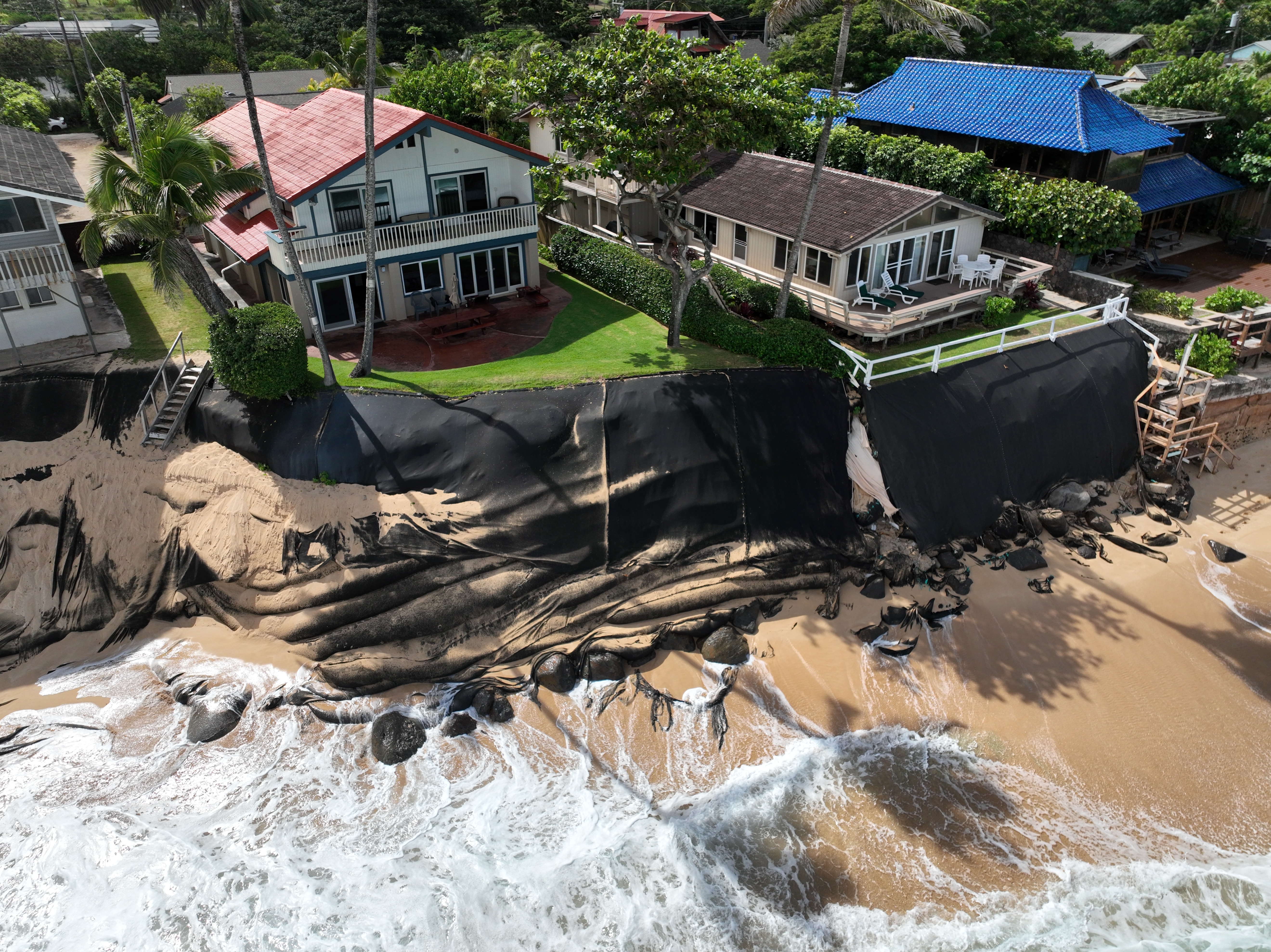
Require Disclosure of Shoreline Erosion Issues in Real-Estate Advertisements
Pass SB3035 and require sellers and real estate agents to disclose key shoreline erosion issues in all property advertisements, not just at the end of a real estate transaction
Beachfront property in Hawaiʻi is frequently purchased by out-of-state buyers who may not understand Hawaiʻi’s unique coastal erosion dynamics, including long-term erosion trends, localized hotspots, sea level rise impacts, and the strict legal limits on shoreline protection. Buyers often underestimate erosion risks and overestimate what they can legally or practically do to protect shoreline-adjacent structures. In some cases, properties are purchased sight unseen, relying almost entirely on online advertisements that emphasize views and lifestyle while failing to clearly communicate shoreline erosion issues.
While sellers and real estate agents may argue that shoreline issues are already disclosed under existing law, those disclosures typically occur late in the transaction, after buyers have already invested significant time and money in inspections, appraisals, and legal due diligence. At that point, buyers face tight deadlines and weakened negotiating power, creating a “sunk cost” dynamic that pressures them to move forward despite serious shoreline risks.
What SB3035 Does
SB3035 closes this gap by requiring sellers and real estate agents to disclose key shoreline erosion issues in all property advertisements, not just at the end of a real estate transaction. Required disclosures include:
- All permitted and unpermitted shoreline erosion control structures on the parcel
- Expiration dates of any permitted erosion control structures
- Any notices of alleged violation associated with the parcel
- Any fines related to expired permits or unpermitted structures
By putting risks and legal limitations upfront—where buyers are actually making decisions—SB3035 protects consumers and reduces pressure for post-purchase shoreline hardening that accelerates erosion and contributes to beach loss.
Coastal erosion issues must be brought into the open and addressed with urgency—not passed on to future homeowners, agencies, or the pub